Search Engines Dodo Guide Features and How It Works
In a rapidly evolving digital world, search engines have become the gatekeepers of information, shaping how we access and understand the internet. For years, a handful of dominant players have dictated the rules of engagement, offering vast indexes but sometimes at the cost of user privacy or curated quality. Now, a new contender, or perhaps a fresh philosophy, is emerging to challenge the status quo: the Dodo Guide. Far from a relic of the past, this innovative approach aims to redefine our expectations for search, focusing on features and a working mechanism designed for clarity, relevance, and user autonomy.
The Shifting Sands of Search Engines
The journey of search engines began with simple directories and early crawlers, evolving into the sophisticated, AI-driven powerhouses we know today. While convenience and speed are undeniable benefits, many users express a growing weariness with advertising saturation, opaque algorithms, and the constant tracking of personal data. This sentiment has paved the way for alternatives, prompting a closer look at what truly constitutes a valuable search experience. The conversation around tech industry landscape and the need for diversity is more vital than ever.
The Dodo Guide steps into this arena not just as another search engine, but as a deliberate effort to guide users through the digital wilderness with a different compass. Its creators propose a return to principles of quality, transparency, and user-centric design, suggesting that true information discovery doesn’t always need to be a race for the most results, but rather a pursuit of the most pertinent and trustworthy ones.
What is the Dodo Guide? A Philosophy of Curated Discovery
At its core, the Dodo Guide is a novel framework for internet search that prioritizes human judgment and algorithmic precision over sheer volume. The “Dodo” in its name is not a reference to extinction but rather a playful nod to bringing back or preserving valuable qualities in search that might seem to be disappearing in the mainstream. It’s a guide because it seeks to lead users directly to answers and insights, rather than presenting an overwhelming list of links where the real work of filtering still falls to the user.
This initiative represents a significant departure from the ‘more is better’ philosophy that underpins many popular search tools. Instead, the Dodo Guide aims to be a lean, efficient, and highly relevant resource, particularly suited for users seeking in-depth information, academic resources, or niche subjects where traditional search engines often struggle with noise and commercial bias.
Key Features of the Dodo Guide
The Dodo Guide distinguishes itself through a set of carefully considered features, each designed to enhance the search experience and empower the user:
- Curated Search Results: Unlike engines that solely rely on algorithmic ranking based on popularity or SEO, the Dodo Guide integrates a layer of human curation. This might involve expert review panels for specific topics or community-driven filtering, ensuring that results are not just relevant but also high-quality and authoritative.
- Enhanced Privacy Protections: A cornerstone of the Dodo Guide’s philosophy is user privacy. It operates with a strict no-tracking policy, meaning user queries and browsing habits are not stored, shared, or used for targeted advertising. This commitment to digital privacy debates offers a refreshing alternative to current models.
- Ad-Free or Minimal Advertising: Commercial interference is drastically reduced, if not entirely absent. This allows users to focus purely on the information they seek, free from distractions and the potential manipulation of sponsored content.
- Contextual Relevance Over Keyword Matching: The Dodo Guide employs advanced semantic analysis to understand the intent behind a query, moving beyond simple keyword matching. This leads to more conceptually relevant results, even when the exact keywords aren’t present on a page.
- Transparent Ranking Factors: Users are given insight into how results are ranked. While not fully open-source, the Dodo Guide provides clear guidelines on the criteria used to evaluate and prioritize information, fostering trust and understanding.
- Niche and Specialized Search Filters: Recognizing that not all information is equal, the Dodo Guide offers powerful filtering options for specialized searches, such as academic papers, historical documents, scientific data, or specific cultural archives. This makes it an invaluable tool for researchers and enthusiasts alike.
- Community Contribution Model: While maintaining editorial oversight, the Dodo Guide encourages its user base to contribute to its knowledge base and suggest high-quality resources, creating a dynamic, collective intelligence platform.
How It Works: A Blend of Intelligence and Oversight
The operational mechanics of the Dodo Guide represent a thoughtful fusion of technology and human discernment. It’s not just about indexing the entire web; it’s about intelligently processing and presenting the most valuable parts of it.
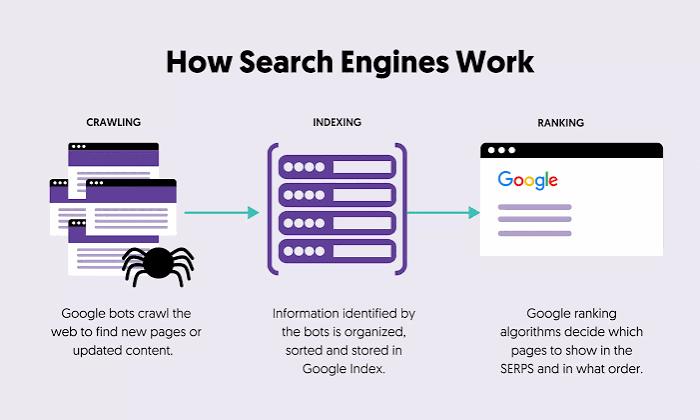
- Intelligent Indexing and Crawling: The Dodo Guide employs sophisticated crawlers that prioritize authoritative and well-regarded sources. Rather than indiscriminately indexing every page, it focuses on depth within established domains of knowledge and emerging high-quality content.
- Semantic Analysis Engine: At the heart of its operation is a powerful semantic analysis engine. This engine doesn’t just look for keywords; it understands the relationships between words, concepts, and contexts. When a user enters a query, the engine works to grasp the underlying meaning and user intent, leading to more conceptually accurate results.
- Human Curation Layer: This is a crucial differentiator. A network of subject matter experts and community moderators review and validate the algorithmic results, especially for complex or sensitive topics. They tag, categorize, and sometimes manually add high-quality resources that might be overlooked by pure algorithms.
- Reputation and Authority Scoring: Websites and information sources are assessed based on their reputation, authoritativeness, and editorial standards. This scoring system helps the Dodo Guide present information from credible sources more prominently, combating the spread of misinformation.
- User Feedback Loop: An integral part of “how it works” involves continuous feedback from users. Queries, result satisfaction, and suggested improvements are analyzed to refine the semantic engine and inform human curators, ensuring the guide evolves with its users’ needs.
- Decentralized Knowledge Graph (Optional): For certain specialized areas, the Dodo Guide might leverage a decentralized knowledge graph, allowing for community-verified data points and facts, enhancing the accuracy and richness of its results without a single point of control.
The User Experience: Clarity and Confidence
For the end-user, the Dodo Guide promises a search experience characterized by clarity, confidence, and efficiency. Imagine typing a complex query and receiving a concise, highly relevant list of links, each pointing to a reputable source, free from promotional clutter. This means less time sifting through irrelevant results and more time engaging with meaningful information.
It’s an environment built for learning and informed decision-making. Researchers can trust the veracity of sources; students can find in-depth explanations without wading through SEO-optimized articles; and the general public can access nuanced perspectives on complex issues, confident that their privacy is respected.
A New Direction for Digital Discovery
The Dodo Guide represents more than just another entry in the crowded market of search engines. It embodies a philosophical shift, suggesting that the future of digital discovery might not lie solely in bigger databases or faster indexing, but in smarter curation, stronger ethical commitments, and a deeper understanding of human information needs. As the digital landscape grows more complex, tools like the Dodo Guide offer a hopeful vision for a more focused, trustworthy, and user-empowering way to navigate the vastness of the internet.