Buy Contextual Backlinks Safely for Better Rankings and Organic Traffic
In today’s highly competitive digital landscape, visibility is paramount. For businesses and content creators striving to capture their audience’s attention, achieving top rankings in search engine results is no longer just an aspiration but a core necessity. While many factors influence search engine optimization (SEO), one element consistently stands out as a critical indicator of authority and relevance: backlinks. But not all backlinks are created equal. The strategic and safe acquisition of contextual backlinks is a powerful strategy for significantly enhancing rankings and driving valuable organic traffic.
Understanding Contextual Backlinks
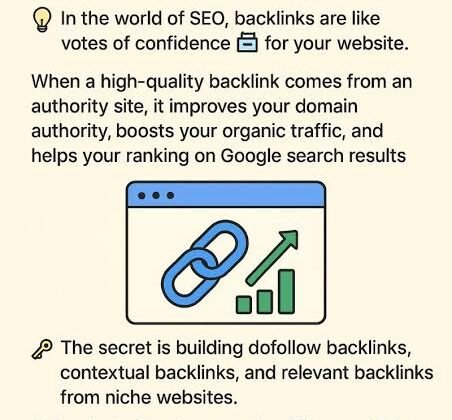
At its core, a backlink is simply a link from one website to another. Search engines view these links as “votes of confidence” or endorsements. The more high-quality, relevant votes your website receives, the more authoritative and trustworthy it appears to search algorithms. What makes a backlink “contextual” is its placement. A contextual backlink is embedded within the main body of content on a webpage, surrounded by text that is highly relevant to the linked page’s topic. This differs significantly from links found in footers, sidebars, or directories, which often carry less weight because they lack the specific surrounding context.
Search engines, particularly Google, are incredibly sophisticated. They understand that a link naturally woven into an informative article about, for example, “sustainable agriculture practices” and pointing to a resource on “organic farming techniques” carries immense value. This relevance within the textual environment signals a deeper connection and endorsement than a generic link placed outside of the core content.
Why Contextual Backlinks Are Essential for SEO
The impact of high-quality contextual backlinks on your SEO performance is multi-faceted and profound:
- Enhanced Authority and Trust: When reputable websites link to your content contextually, it signals to search engines that your site is a credible source of information. This builds your domain authority and page authority over time.
- Improved Ranking Potential: Search algorithms use backlinks as a major ranking signal. A strong profile of relevant, contextual links from authoritative sites directly contributes to higher positions in search engine results pages (SERPs).
- Increased Organic Traffic: Higher rankings naturally lead to more visibility. When your site appears higher for relevant search queries, more users click through, significantly boosting your organic traffic.
- Referral Traffic: Beyond search engines, contextual backlinks also drive direct referral traffic from the linking website. If a user is reading an article and finds your linked resource valuable, they are likely to click and explore your site.
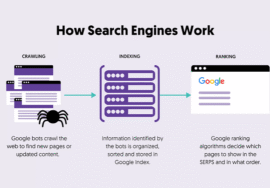
- Faster Indexing: Search engine crawlers discover new content by following links. A robust network of backlinks helps search engines find and index your new pages more quickly.
The Pitfalls of Unsafe Backlink Acquisition
While the benefits are clear, the pursuit of backlinks must be approached with caution and ethical intent. The digital landscape is rife with shortcuts and dubious practices that promise quick results but often lead to severe penalties. Engaging in “black hat” SEO tactics, such as buying cheap links from irrelevant sites, participating in large-scale link schemes, or using private blog networks (PBNs) designed purely for link manipulation, can have devastating consequences.
Google, with its powerful algorithms, including the long-standing Penguin update, is adept at identifying and penalizing websites that attempt to manipulate its ranking signals. A penalty can result in a drastic drop in rankings, removal from search results altogether, and a long, arduous recovery process. It is crucial to understand that prioritizing quantity over quality or engaging in any practice that violates Google’s algorithmic updates can severely damage your online presence and reputation.
Strategies for Safely Acquiring Contextual Backlinks
Building a strong, safe, and effective backlink profile requires patience, effort, and adherence to ethical guidelines. Here are proven strategies:
- Create Exceptional, Link-Worthy Content: This is arguably the most fundamental and sustainable strategy. Produce in-depth guides, original research, compelling infographics, valuable tools, or thought-provoking articles that genuinely solve problems or provide unique insights. When your content is truly outstanding, others will naturally want to reference and link to it.
- Strategic Guest Posting: Offer to write high-quality guest posts for other reputable websites in your niche or related industries. Focus on sites with genuine audience engagement and strong domain authority. Ensure your contribution is valuable to their readers, and your contextual link back to your site is natural and relevant to the content. Avoid sites that exist solely for link exchange.
- Broken Link Building: Identify broken links on high-authority websites using SEO tools. Reach out to the website owner, inform them of the broken link, and suggest your superior, relevant content as a replacement. This offers value to them by fixing a problem on their site and earns you a valuable contextual backlink.
- Resource Page Submissions: Many industry websites curate lists of valuable resources for their audience. If your content genuinely qualifies as a valuable resource, reach out and suggest its inclusion.
- Digital PR and Media Outreach: Develop newsworthy stories, conduct unique studies, or create compelling data visualizations that are relevant to journalists and media outlets. Pitch your content to relevant publications. Earning media mentions and links from news sites can generate incredibly powerful contextual backlinks.
- Competitor Backlink Analysis: Analyze the backlink profiles of your top-ranking competitors using SEO tools. This can reveal legitimate linking opportunities you might have overlooked, such as industry directories, niche forums, or relevant content creators who link to similar topics. Always vet the quality of these opportunities.
Identifying High-Quality Backlink Opportunities
When evaluating potential backlink sources, consider these crucial factors:
- Relevance: Is the linking website directly related to your industry or a closely aligned field? A link from a site about pet grooming won’t benefit a financial consulting firm.
- Domain Authority (DA) / Page Authority (PA): These metrics (from tools like Moz) or similar metrics (like Domain Rating from Ahrefs) give an indication of a website’s overall authority. Aim for sites with higher scores, but remember that relevance is often more important than a slightly higher DA from an unrelated site.
- Website Traffic and Engagement: Does the linking site receive genuine traffic and have an engaged audience? A link from a site with no real visitors provides little value.
- Natural Placement: Ensure the proposed link will be placed naturally within the main body of relevant content, not hidden in a footer or a list of unrelated links.
- Anchor Text: The text used for the link (anchor text) should be relevant to your linked page’s content. A natural variety of anchor texts (branded, partial match, naked URL, generic) is always best to avoid over-optimization.
- Avoiding Spam: Steer clear of websites that appear to be link farms, have excessive ads, irrelevant content, or other signs of low quality.
Measuring Success and Maintaining Your Backlink Profile
Building a robust backlink profile is an ongoing process, not a one-time campaign. Regularly monitor your backlinks using tools like Google Search Console (free and essential), Ahrefs, SEMrush, or Moz. These tools allow you to track new links, identify lost links, and crucially, spot any potentially harmful or spammy links pointing to your site. If you discover toxic links, use Google’s disavow tool to tell Google to ignore them, preventing potential penalties.
Focus on a long-term, sustainable strategy rooted in ethical content strategies and genuine value creation. The rewards of safely acquiring contextual backlinks are not immediate but compound over time, leading to significant improvements in search engine rankings, increased organic traffic, and a stronger, more resilient online presence.
Conclusion
For any business or individual serious about succeeding online, understanding and implementing safe, strategic contextual backlink acquisition is non-negotiable. By prioritizing relevance, quality, and ethical practices, you can build an authoritative online presence that not only ranks higher in search results but also attracts a steady stream of genuinely interested organic traffic. It demands commitment and diligence, but the sustainable growth and competitive edge it provides are invaluable in the digital age.