Tekninen SEO Guide for Better Website Performance
In the ever-evolving digital landscape, where billions of web pages vie for attention, merely existing online is no longer enough. For businesses, creators, and organizations alike, the quest for visibility and superior website performance has become a top priority. While many focus on captivating content and strategic keyword placement, an equally, if not more, critical element often operates beneath the surface: technical SEO. This foundational aspect dictates how search engines perceive, crawl, and rank your website, directly impacting its ability to connect with its intended audience.
Think of your website as a grand building. Content, design, and user interface are the aesthetics and furnishings – what visitors see and interact with. Technical SEO, however, is the very foundation, the structural integrity, the plumbing, and the electrical wiring. Without a robust and well-maintained technical backend, even the most beautiful and well-furnished building will struggle to stand, let alone welcome visitors efficiently. A solid technical SEO strategy ensures search engine spiders can easily navigate, understand, and index your content, ultimately leading to better search rankings, increased organic traffic, and an enhanced user experience.
Understanding the Core Pillars of Technical SEO
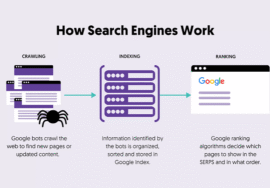
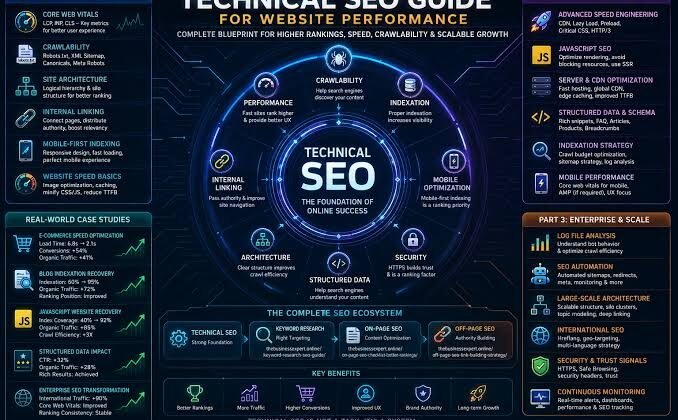
Technical SEO encompasses a range of optimizations that go beyond on-page content and link building. It addresses the infrastructure of your website, ensuring it aligns with the strict requirements of search engine algorithms. Let’s break down the key components:
- Crawlability and Indexability: The absolute first step is making sure search engines can find and understand your pages. Crawlability refers to a search engine’s ability to access and read the content on your website. Indexability means those pages can then be added to the search engine’s massive database, making them eligible to appear in search results. Issues here, such as broken links, server errors, or misconfigured robots.txt files, can prevent your valuable content from ever seeing the light of day on a search results page. Regularly checking your site for crawl errors through tools like Google Search Console is crucial.
- Website Speed and Core Web Vitals: In today’s fast-paced world, patience is a scarce commodity. Users expect websites to load almost instantaneously. Slow loading times not only frustrate visitors, leading to high bounce rates, but also negatively impact your search rankings. Google, among other search engines, prioritizes speedy websites, especially since the introduction of Core Web Vitals. These metrics measure real-world user experience for loading performance, interactivity, and visual stability. Optimizing images, leveraging browser caching, minimizing code, and choosing a reliable hosting provider are all vital steps to ensure a swift and responsive site. Improving your site’s speed directly contributes to a better user experience, which search engines increasingly reward.
- Mobile-Friendliness: With the vast majority of internet users now accessing content via smartphones and tablets, a mobile-first approach is no longer optional; it’s mandatory. Google primarily uses the mobile version of your content for indexing and ranking. A responsive design that adapts seamlessly to various screen sizes, easily clickable buttons, readable text, and a streamlined navigation experience are all hallmarks of a mobile-friendly website. Websites that fail this test risk being overlooked entirely in mobile search results.
- Site Structure and Internal Linking: A well-organized website is easy for both users and search engines to navigate. A clear, logical site structure, often hierarchical, helps search engine spiders understand the relationship between your pages and how important each page is. Robust internal linking further reinforces this structure, distributing “link equity” throughout your site and guiding users and crawlers to relevant content. Anchor text used in internal links also provides valuable context about the linked page.
- Schema Markup (Structured Data): Schema markup is a powerful tool that helps search engines understand the context and meaning of your content. By adding specific code to your HTML, you can label elements like product reviews, recipes, events, organizations, and articles. This structured data allows search engines to display your content in rich snippets in search results, such as star ratings, pricing, or event dates, making your listing stand out and often leading to higher click-through rates.
- HTTPS Security: Security is paramount online. HTTPS, denoted by the padlock symbol in the browser, encrypts data transferred between a user’s browser and your website, protecting sensitive information. Google explicitly uses HTTPS as a ranking signal, and browsers often flag non-HTTPS sites as “not secure,” deterring potential visitors. Migrating to HTTPS is a fundamental technical SEO requirement.
- XML Sitemaps: An XML sitemap is essentially a roadmap for search engines, listing all the important pages on your website that you want them to crawl and index. It helps ensure that no crucial pages are missed, especially on larger or newer websites. Regularly submitting an updated sitemap to search engines via Google Search Console is a standard best practice.
- Robots.txt File: While an XML sitemap tells search engines what to crawl, a robots.txt file tells them what *not* to crawl. This file, located in your site’s root directory, can be used to prevent crawlers from accessing certain sections of your site, such as administrative pages, duplicate content, or staging environments. Proper configuration is vital; an error here could accidentally block search engines from your entire site.
- Canonicalization and Duplicate Content: Duplicate content, where identical or very similar content appears on multiple URLs, can confuse search engines and dilute your ranking potential. Search engines struggle to decide which version to show in search results and which to credit with authority. Canonical tags (`rel=”canonical”`) are used to tell search engines which version of a page is the preferred or “canonical” one, consolidating ranking signals to a single URL and preventing issues related to duplicate content.
Why Technical SEO is Indispensable for Performance
The cumulative effect of a strong technical SEO foundation is profound. It’s not just about pleasing search engine search engine algorithms; it’s about creating a seamless, accessible, and enjoyable experience for your users. Websites that are fast, secure, mobile-friendly, and easy to navigate will naturally perform better in search results, attract more visitors, and ultimately achieve their online goals, whether that’s generating leads, selling products, or disseminating information.
Ignoring technical SEO is akin to building a house on sand. While you might invest heavily in beautiful furniture and decor (content and design), the structure will eventually falter. By prioritizing and regularly reviewing your website’s technical health, you lay the groundwork for sustainable growth and long-term success in the fiercely competitive digital arena. It’s an ongoing process, requiring vigilance and adaptability, but the rewards—in terms of visibility, traffic, and user satisfaction—are immeasurable.